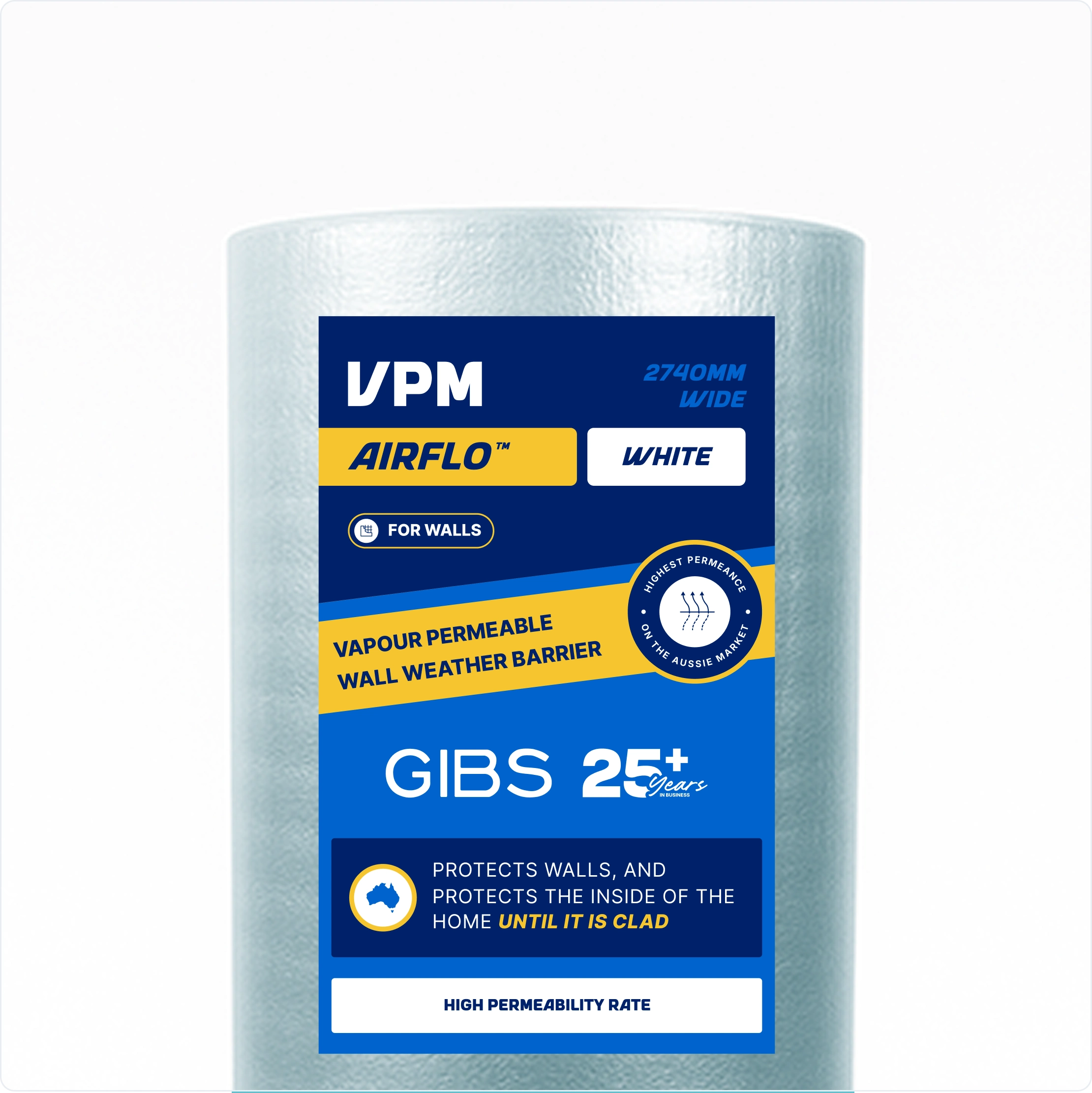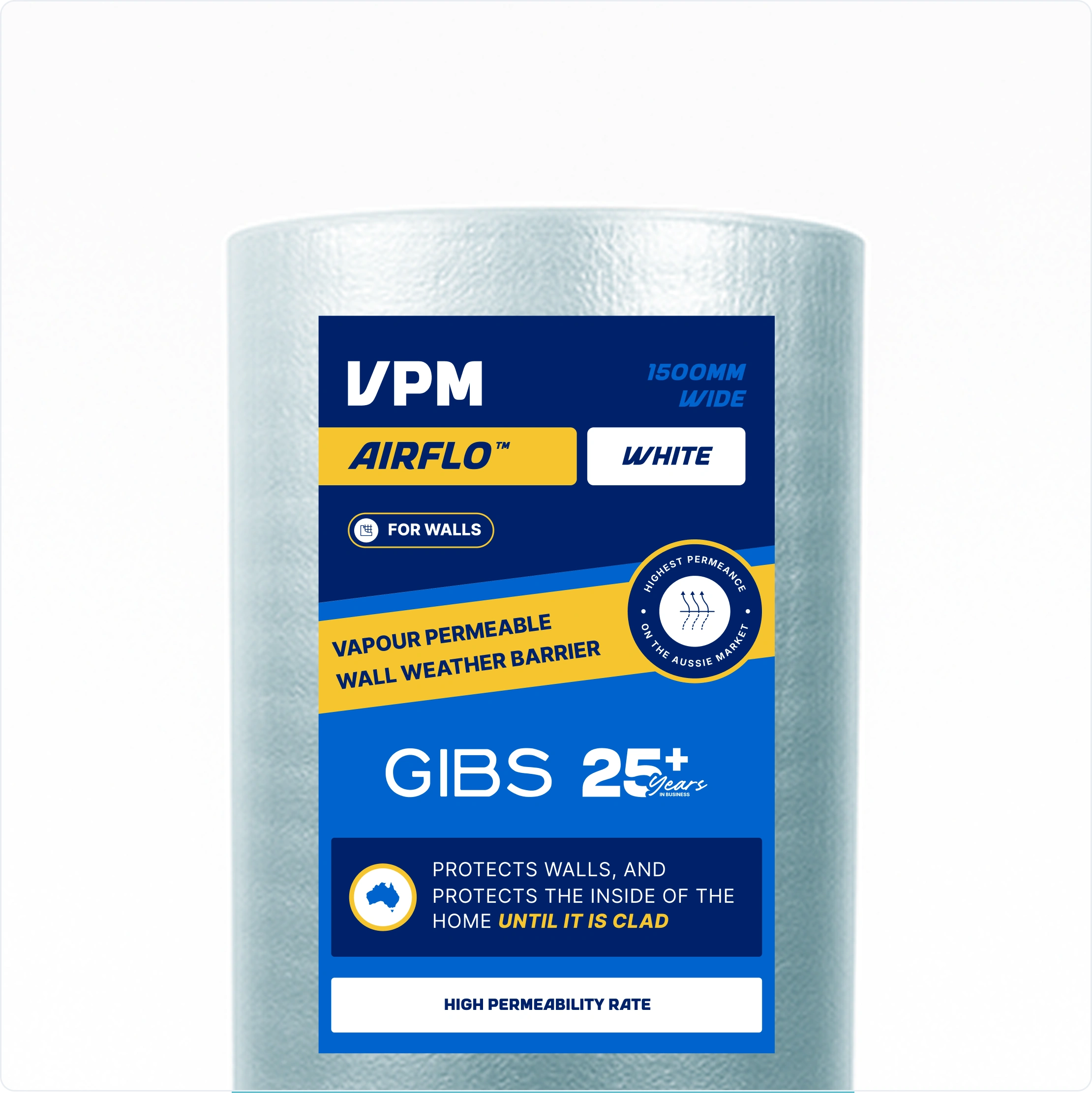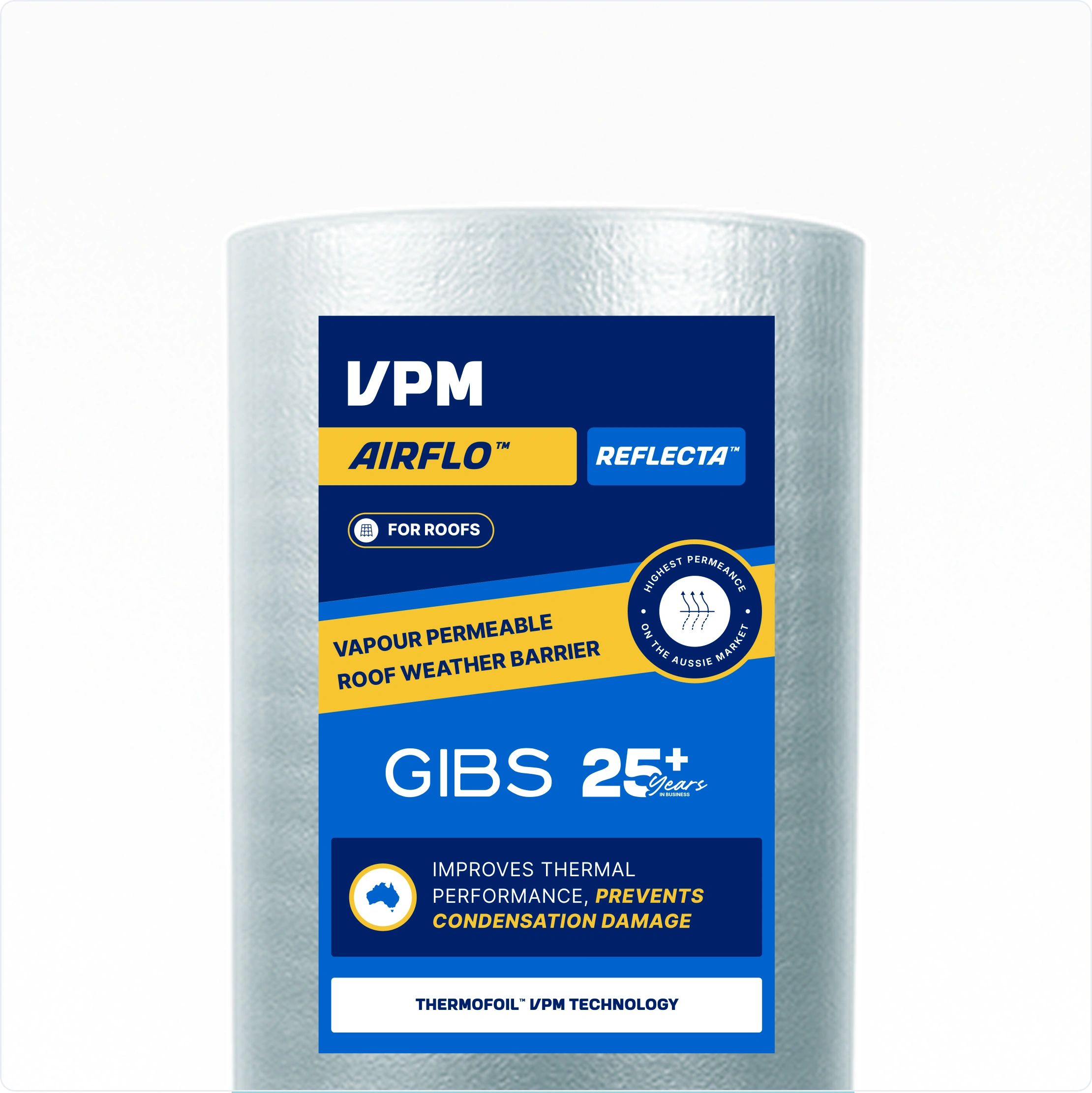
What Exactly is a Vapour Permeable Membrane (VPM)?
- 2 min read
Our Expert Team Are Here to Help, Anytime! Contact Us
Introduction
In recent years, Australian construction practices have dramatically evolved, driven by increasingly rigorous standards, advanced materials, and the demand for energy efficiency, building longevity, and occupant comfort. Among the most impactful innovations has been the widespread adoption of Vapour Permeable Membranes (VPMs). These advanced materials fundamentally differ from traditional moisture control products, offering unique and significant benefits for builders, property owners, and specifiers.
But what exactly is a Vapour Permeable Membrane, and how does it differ from traditional vapour barriers or water-resistant membranes? Why is it becoming the gold standard across Australian construction? This guide will explore everything you need to understand about VPMs in depth, covering their composition, functionality, distinct advantages, ideal applications, and common considerations.
What is a Vapour Permeable Membrane?
- Outer Protective Layer: Provides weather and UV resistance, protecting the structure during construction and beyond.
- Vapour Control Layer: Incorporates micro-perforations or microporous films, enabling the selective transmission of moisture vapour outwards.
- Inner Layer (Optional): Often includes reflective foil layers or reinforcing materials to provide additional thermal insulation and physical strength.

How Does a Vapour Permeable Membrane Work?
Vapour permeability is a membrane’s capacity to transmit water vapour, measured in “permeance.” Membranes rated as “vapour permeable” have micro-porous structures, enabling moisture vapour to exit while simultaneously preventing liquid water ingress. This delicate balance prevents the build-up of moisture that can cause condensation, mould growth, structural decay, and poor indoor air quality.
Key Differences Between Vapour Permeable Membranes and Traditional Vapour Barriers
| Feature | Vapour Permeable Membrane (VPM) | Traditional Vapour Barrier |
|---|---|---|
| Moisture Control | Allows internal moisture to escape, prevents condensation build-up. | Completely blocks moisture, can trap internal condensation. |
| Breathability | Breathable membrane enabling moisture diffusion. | Non-breathable; can create moisture build-up inside structures. |
| Thermal Performance | Reflective options enhance thermal insulation and reduce radiant heat. | Generally minimal thermal performance; primarily moisture blocking. |
| Mould Prevention | Actively reduces mould risk by managing moisture effectively. | Higher risk of mould due to potential internal moisture entrapment. |
| Durability & Lifespan | Robust design, typically offering extensive UV protection and resilience. | Usually limited UV protection, shorter lifespan and quicker degradation risks. |

Why Use a Vapour Permeable Membrane in Australian Construction?

Condensation & Mould Control

Enhanced Energy Efficiency

Protection and Durability

Regulatory Compliance
Typical Applications of Vapour Permeable Membranes
- Residential Homes: Walls, roofs, and floors to manage moisture and enhance thermal performance.
- Commercial Buildings: Offices, schools, warehouses, hospitals, and hospitality venues—anywhere moisture control and energy efficiency are crucial.
- Industrial & Agricultural Buildings: Facilities requiring precise moisture management and thermal stability, like manufacturing plants and farm structures.
Choosing the Right Vapour Permeable Membrane
Several critical factors must be considered when selecting the ideal VPM:
- Climate Zone & Environment: Reflective options for hotter climates; high permeability products for humid or coastal regions.
- Construction Type: Roof membranes often require additional strength, wall membranes demand higher moisture permeability.
- Compliance & Certification: Always select products that comply with Australian Standards (AS/NZS 4200.1) and National Construction Code (NCC).
Installation of Vapour Permeable Membranes
- Correct overlapping and sealing to ensure complete moisture protection.
- Avoidance of punctures, tearing, or excessive stretching.
- Following manufacturer’s guidelines for fastening and sealing penetrations or joints.
Frequently Asked Questions
Are Vapour Permeable Membranes waterproof?
While DIY installation is feasible for simple structures, professional installation ensures optimum performance, regulatory compliance, and peace of mind.
Can VPM replace traditional insulation?
Do all buildings need VPM?
Conclusion and Next Steps
Vapour Permeable Membranes represent a vital innovation in contemporary Australian building practices. Offering substantial advantages over traditional barriers, VPM ensures buildings remain durable, energy-efficient, mould-free, and compliant for decades.
To explore which Vapour Permeable Membrane best suits your project or for further guidance, view our complete GIBS VPM product range here or contact our expert team today.


Proudly
Australian-Owned
Built to last.
GIBS VPM Products